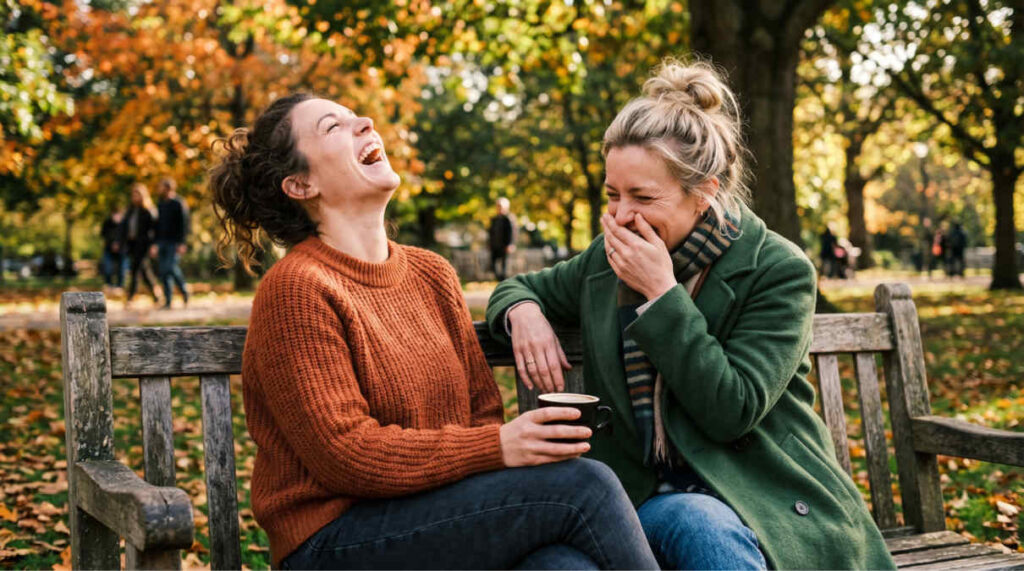
When being surrounded by people still feels lonely
As AI becomes part of everyday life, why does human connection matter more than ever? Exploring loneliness, wellbeing and connection in international education.
As the days grow shorter in some parts of the world, the clocks go back and the evenings draw in, it can feel as though someone has turned down the brightness on life itself. For some of us, darker evenings mean cosy nights in and warm drinks. For others, they bring a dip in energy, a change in mood or the feeling that everything takes a little more effort than usual.
And when we’re living or studying abroad, these seasonal changes can bring an extra layer of emotion; if we’re already missing home, finding our feet in a new country or adjusting to unfamiliar surroundings, less daylight can sometimes make things feel that bit harder.
But here’s something worth remembering: we need the dark as well as the light.
That doesn’t mean struggling is easy, or that every difficult experience needs a silver lining but it’s a reminder that life isn’t meant to be one long stretch of sunshine… annoyingly! Our experiences move through different seasons, and learning to make space for the harder moments is an important part of looking after our mental health.
We’re often encouraged to stay positive, look on the bright side and make the most of every opportunity. And yes, while optimism has its place, constantly trying to feel good can become exhausting when we’re going through something difficult.
We have good days and bad days, moments when we feel on top of the world and others when even getting out of bed feels like an achievement, and stress, academic pressure, relationships and major life changes can all affect our mental health. Sometimes we know exactly why we’re feeling low, and sometimes we kinda just feel a little off.
That’s totally fine, because we don’t have to turn every difficult feeling into a lesson or find something positive in every disappointment. Sometimes, we just need to acknowledge that things feel hard and give ourselves permission to feel that way.
Think about the natural world… trees lose their leaves, flowers stop blooming and the days grow shorter. We don’t look at a tree in winter and assume it’s failed at being a tree. In fact it’s quite the opposite, we understand that periods of rest and change are part of its natural cycle, so why are we sometimes so hard on ourselves when we experience our own quieter seasons?
Studying abroad is often pictured as one big adventure, full of new places, new people and exciting opportunities. And it can be all those things, but living in another country is also a significant life change. We might be navigating unfamiliar surroundings, adapting to different cultural expectations, managing our studies and building a social life from scratch, all while being away from the people and places we know best.
We might miss things we never expected to miss, from familiar food and family routines to speaking our own language or simply knowing where everything is without checking a map!
It’s possible to be grateful for the opportunity to study overseas and still miss home, multiple things can be true at once; we can enjoy meeting new people and still feel lonely and we can be having a genuinely good time and still have difficult days. These feelings can exist alongside one another, and admitting that parts of our experience are hard doesn’t mean we’ve made the wrong decision.
For international students, recognising this can make a real difference to our wellbeing. Adjusting to a new environment takes time, and there’s no set timeline for when we should feel settled or completely at home.
When the weather changes and daylight becomes more limited, feelings of loneliness or homesickness may become more noticeable. Rather than judging ourselves for struggling, we can look for small ways to feel more grounded and connected.
We might not be able to control the weather or make every difficult feeling disappear, but there are things we can do to support ourselves.
When it’s cold or wet outside, it’s tempting to stay indoors all day. Where possible, try to get outside during daylight hours, even if it’s just a short walk between lectures or a coffee break in the fresh air. Opening the curtains when we wake up or sitting near a window can also help us make the most of the light available.
Small changes to our routines can help, without putting pressure on ourselves to transform our whole day.
When our routines change, the little things that help us feel like ourselves can easily fall away. We might be too busy with coursework or social plans to cook a proper meal, exercise or enjoy a favourite hobby.
Let’s bring some of those things back. It could be making a familiar meal from home, listening to a favourite playlist, playing a sport or finding a new café to explore. These small moments can give our days a little structure and comfort when everything else feels unfamiliar.
When we’re feeling low, connecting with others can feel like the last thing we have energy for. Friends and family might be in another time zone, and new friendships may still be finding their feet.
Connection doesn’t have to mean a big night out or a deep conversation. It could be sending a voice note home, inviting someone for a walk or asking a housemate to cook together. We don’t need to wait until we feel completely ourselves to reach out, and we might find that others are experiencing similar feelings, even if they don’t show it. Check out our blog on connection for more on this.
With lectures, assignments, friendships and a whole new environment to navigate, it’s easy to feel we should be making the most of every moment abroad. But rest is part of looking after ourselves, not something we have to earn once everything else is done.
We don’t need to attend every event, fill every evening or say yes to every invitation. Taking a step back and giving ourselves room to breathe can be exactly what we need.
Difficult days are part of life, but we shouldn’t feel we have to push through everything alone. If we’re feeling persistently low or anxious, losing interest in things we usually enjoy, or finding everyday life increasingly difficult, it’s worth speaking to someone we trust or seeking professional support.
Asking for help isn’t a sign of failure. We don’t have to wait until things feel unbearable to deserve support. Check out what support is available through mindhamok.com.
The light will look different for everyone
Some of us love darker evenings, while others find them difficult. Our experiences are shaped by who we are, where we come from and what we’re navigating and the same is true of life abroad: a place that once felt unfamiliar can gradually become home, and our feelings about it may change from one day to the next.
The aim isn’t to pretend the dark doesn’t exist or force ourselves to find something positive in every difficult moment, it’s about recognising that harder periods are part of being human and finding ways to care for ourselves as we move through them.
Sometimes, bringing light into our lives means getting outside for a few minutes. Sometimes, it means calling home, cancelling plans or asking for support. And sometimes, it simply means accepting that today is a harder day without judging ourselves for it.
We won’t always feel our brightest, and we don’t have to.
Our support is available wherever you are, with access to our 24/7 helpline for in-the-moment support and the option to request a counselling session with a mindhamok counsellor when you need something more ongoing.
Wherever we are in the world, let’s put our mind in a hammock and experience all the seasons of being human.


As AI becomes part of everyday life, why does human connection matter more than ever? Exploring loneliness, wellbeing and connection in international education.

Summer is the perfect time to slow down. Discover why rest isn’t something we need to earn, how productivity culture affects our wellbeing, and why making space to pause is essential.
We do not use any tracking or advertising cookies on this site. We use functional and necessary cookies to make the site work. By continuing to use this website, you consent to their use in accordance with our Cookie Policy
Accept